Understanding Decision Making What Holds Us Back
Decision making is a complex process that requires us to reason through available options, weigh potential outcomes and align our choices with personal values. For many ambitious individuals, the challenge lies not in the lack of options but in the struggle to choose decisively and consistently. Overthinking often disrupts this process, leading to hesitation and stalled progress.
Several factors contribute to the cycle of overthinking. Fear of making mistakes can paralyse even the most capable performers, especially when perfectionism or conflicting goals are present. The drive to avoid error can make any decision feel risky. In high performance environments, this can manifest as indecision, second guessing or a tendency to endlessly seek new information to justify a choice.
Recognising decision traps is essential for breaking this cycle. Common traps include cognitive biases that distort how we interpret information and the overwhelming influx of data that can cloud clear reasoning. The tendency to seek certainty or overvalue minor details can make even routine decisions feel burdensome. Building awareness of these patterns is the first step in reclaiming control over your decision making process.
Practical Strategies to Reduce Hesitation
Reducing hesitation is not about rushing decisions but about eliminating unnecessary delays. A structured approach provides clarity and removes ambiguity. Begin by clearly defining the decision at hand and listing the available options. This not only organises thoughts but helps separate relevant from irrelevant information.
Set boundaries for information gathering. Identify what information is essential and resist the urge to collect data beyond this threshold. This prevents analysis paralysis and supports timely action. For day to day decisions, applying simple rules—such as limiting research to three credible sources or setting a twenty minute time frame—can streamline the process.
Time limits are particularly effective for routine choices. By deciding in advance how long you will spend on a decision, you establish a standard for execution. This habit, when practised regularly, builds efficiency and reduces anxiety around making the wrong choice. Structured decision making is not only about speed but about building a consistent routine that can be transferred to higher stakes environments, such as training or professional development.
Building Everyday Decision Confidence
Confidence in decision making is not an innate trait but a skill developed through disciplined practice. Start by making small decisions quickly and observing the outcomes. This repetitive exposure fosters self trust and reduces the mental burden associated with larger choices. Reflecting on outcomes—without harsh self judgement—creates a feedback loop for continuous improvement. Each decision, regardless of outcome, becomes an opportunity to learn and adjust.
Blending psychological and physical routines can further support clear thinking. For example, structured strength training environments provide a practical setting to reinforce decision making standards. Choosing weights, setting repetition goals and adjusting technique all require rapid yet thoughtful choices. Over time, this physical practice builds not only muscle but also the behavioural discipline required for effective decision making elsewhere in life.
Integrating both mind and body routines supports a holistic approach. Consistent physical training routines help regulate emotions and sharpen focus. When combined with reflective journaling or coaching, this approach establishes an environment where clarity and confidence can thrive. For more on integrated routines, explore the Forma10 Lifestyle resources where both psychological and physical strategies are developed in tandem.

Integrated Performance Coaching for Better Decisions
Coaching frameworks are designed to align values, goals and actions. In the context of decision making, this alignment is critical. A coach helps clarify what truly matters, identify obstacles and create accountability for follow through. The process begins by articulating core values, then linking them to specific, actionable goals. This clarity reduces internal conflict and simplifies decisions.
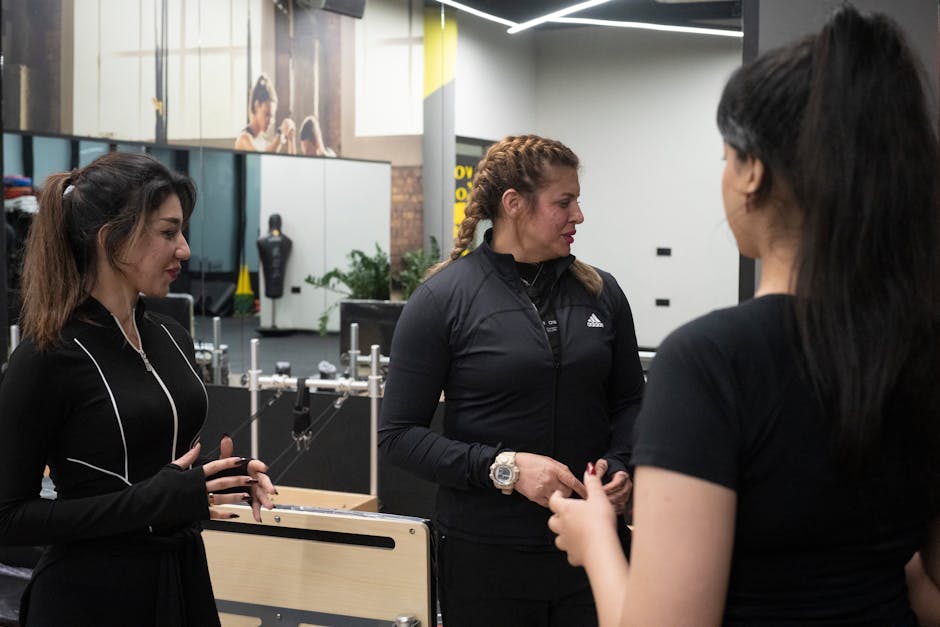
The benefits of combining psychological coaching with physical training routines are substantial. Physical training provides immediate feedback and a platform for practising decisiveness under pressure. Psychological coaching, in turn, develops the self awareness and regulation skills needed to make those decisions confidently. At Forma10, the approach is deliberately integrated. Coaching is not limited to isolated sessions but is embedded in daily routines and long term development plans. This synergy ensures that psychological insights are translated into tangible behavioural change, both in and out of the gym.
For those seeking a community that supports this integrated approach, the Forma10 Evolve membership offers structured coaching, regular group insights and a supportive environment for sustained growth. The focus is on building lasting habits and decision confidence that extend beyond individual sessions.
When to Seek Structured Support
While most individuals can improve decision making with disciplined practice, there are times when additional support is needed. Persistent indecision, especially when it begins to impact daily functioning or professional progress, may signal deeper patterns that benefit from structured coaching. Recognising this threshold is itself a critical decision—a sign of self awareness and commitment to long term growth.
A coaching philosophy centred on sustainable development prioritises gradual, measurable progress over short term fixes. This philosophy, outlined in the Forma10 Coaching Philosophy, reinforces the value of consistent action, personal accountability and integrated performance systems. Whether through one to one coaching or structured community programmes, seeking support is an active choice to invest in your decision making capacity.
If you are interested in learning more about psychological coaching or integrated support, the Forma10 Knowledge section on psychological coaching provides further reading and resources.
Take Action to Build Your Decision Confidence
Breaking the cycle of overthinking requires more than willpower. It demands a structured, disciplined approach that integrates both mind and body. If you are ready to develop lasting decision confidence and align your daily actions with your long term ambitions, explore Forma10’s integrated psychological coaching resources. Build your confidence, refine your routines and experience the benefits of decisive performance in every area of life.
https://forma10.com/lifestyle/psychological-coaching/
Frequently Asked Questions
- What causes overthinking in decision making?
Overthinking often results from fear of making the wrong choice, perfectionist tendencies or feeling overwhelmed by options. Recognising these triggers is the first step to breaking the cycle. - How can I start making quicker decisions in daily life?
Begin by setting time limits for simple choices, reducing unnecessary information gathering and practising self trust through small, everyday decisions. Structured routines also help build confidence. - What is the benefit of combining psychological and physical approaches to decision making?
Integrating mental and physical training creates a stronger foundation for decision making. Physical activity supports mental clarity, while coaching frameworks align actions with personal values for more confident choices.
Disclaimer: The guidance in this article reflects performance coaching principles and is not medical or clinical advice.