Stress is an inherent part of performance environments, whether in sport, work or daily life. Those who consistently adapt and progress are not defined by the absence of pressure but by their capacity to regulate their responses to it. At Forma10, stress regulation is viewed as a physical and psychological skill that can be consciously trained, refined and embedded within disciplined routines. This article examines how to approach stress regulation as a core pillar of sustainable performance, linking psychological flexibility with physical training and actionable behavioural systems.
Understanding Stress Regulation in Daily Life
Stress regulation is the ability to consciously manage physical and psychological responses to pressure. It goes beyond simply reducing or ignoring stress. Instead, it is about recognising stress signals, responding with intention and directing energy towards constructive action. This skill is central to both mind and body performance.
The impact of stress is twofold. Physiologically, it can drive heightened alertness or, if left unchecked, undermine recovery and focus. Psychologically, stress can either sharpen decision making or lead to emotional volatility and loss of composure. The goal of effective regulation is not to eliminate stress but to harness it for disciplined progress.
An integrated approach, which combines behavioural science and physical training, provides a robust framework for stress regulation. This means using structured routines, reflective practices and targeted somatic techniques alongside physical training environments to build adaptive capacity.
The Science Behind Stress Responses
At the core of stress regulation is the body’s nervous system, which orchestrates responses to external and internal demands. The sympathetic nervous system prepares the body for action, while the parasympathetic system facilitates recovery. Self-regulation involves recognising these physiological shifts and using conscious techniques to maintain balance.
Emotional regulation is a critical aspect of adaptability. It involves monitoring emotional states, understanding their triggers and deploying strategies to prevent escalation. This process supports the ability to remain composed under pressure and make decisions based on standards rather than reactive impulses.
Contemporary thinking acknowledges that stress can both impair and enhance performance. Inadequate regulation may lead to fatigue, reduced focus and inconsistent outcomes. However, when managed well, stress can become a catalyst for resilience, growth and elevated standards.
Practical Techniques for Regulating Stress
Translating theory into practice requires structured, actionable methods. Behavioural science and performance psychology offer a range of techniques for developing effective stress regulation.
- Somatic Practices: These are body-based methods that help ground attention and interrupt unhelpful stress cycles. Examples include deliberate posture resets, tension-release exercises and mindful movement.
- Breath Work: Controlled breathing—such as box breathing or extended exhalations—can rapidly shift the nervous system from a heightened state to a more regulated mode.
- Pattern Interruption: This involves consciously breaking habitual stress responses. A practical example is pausing for ten seconds before responding to a challenging situation, thereby regaining composure and choosing a disciplined response.
Regular use of these techniques develops both awareness and adaptability. Emerging research themes highlight the value of repeated exposure to manageable stressors, combined with conscious regulation, in building resilience and flexibility over time.
Integrating Stress Regulation into Physical Training
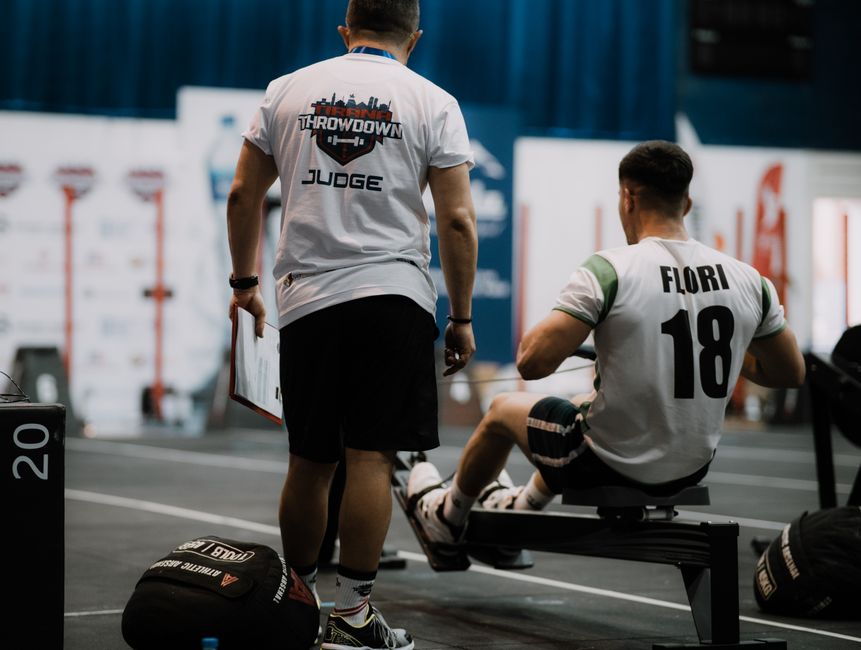
Physical training routines are ideal environments for developing psychological resilience. The structured nature of strength training, for example, provides repeated exposure to effort, discomfort and pressure in a controlled setting. This makes it possible to practise stress regulation in real time, embedding it as a core performance skill.
Consider the experience of an athlete who uses breath control and deliberate pauses during high intensity sets. Rather than rushing or succumbing to frustration, they intentionally slow their breathing and focus their attention between repetitions. This practice not only stabilises physiological arousal but also reinforces mental discipline and composure.
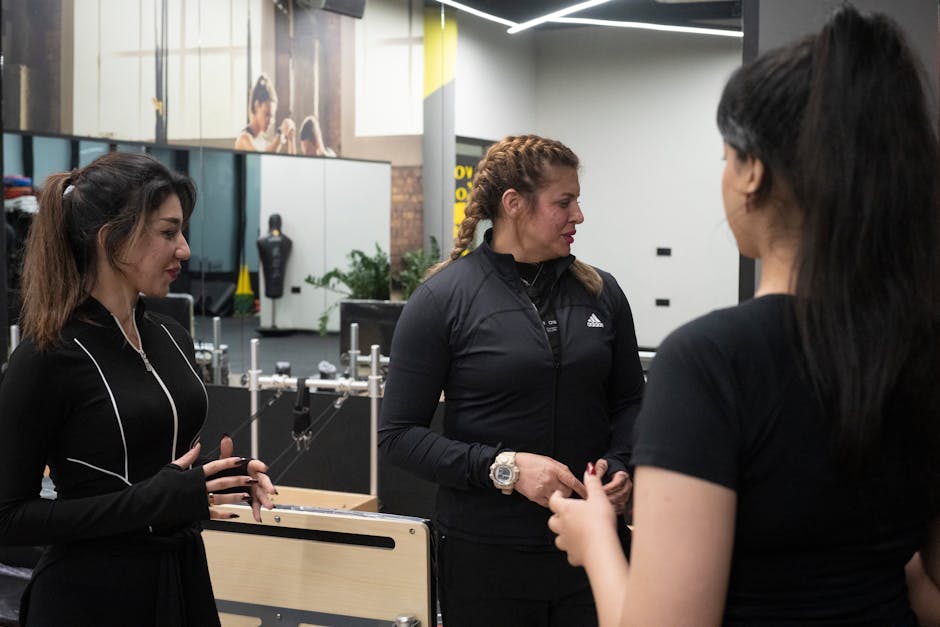
Coordinated coaching further strengthens this integration. A coach who understands both physical and psychological regulation can structure sessions to challenge the athlete’s adaptive capacity while supporting them in applying regulation techniques. This dual focus accelerates progress and fosters adaptability both in and outside the training environment.
For those seeking a structured path towards this integration, the Forma10 Lifestyle approach emphasises the synergy between physical routines and psychological skills, supporting sustainable development across both domains.
Building Sustainable Stress Adaptation Habits
Embedding stress regulation into daily routines requires more than generic advice about habits. Sustainability comes from consistency, structured reflection and progressive challenge.
Begin by setting clear standards for how you want to respond to pressure, whether during training sessions, professional demands or personal commitments. Use regular check-ins—such as journaling or session reviews—to assess your responses and identify patterns. This creates a feedback loop that supports ongoing improvement.
Progressive challenge is equally important. Rather than seeking comfort, deliberately expose yourself to manageable levels of stress within structured environments, applying your regulation techniques. Over time, this builds capacity and confidence.
Forma10’s integrated coaching philosophy places particular emphasis on this approach, connecting behavioural systems with physical and psychological training. For a deeper understanding of how these elements work together, explore the Forma10 Coaching Philosophy page.
For those who want continued accountability and development, the Evolve Membership provides a structured community for sustained personal growth, combining regular coaching with progressive training and shared standards.
When to Seek Professional Coaching Support
There are times when self-directed strategies are not sufficient for effective stress regulation. Structured coaching provides an external perspective, tailored strategies and accountability that can accelerate progress and deepen skill development.
Performance coaching focuses on sustainable growth, discipline and adaptability, working alongside the client to develop practical methods for managing pressure. This differs from clinical support, which is appropriate for those facing significant mental health challenges or clinical symptoms.
If you find that your current strategies are not enabling you to adapt or perform as desired, or if you wish to accelerate your progress with expert guidance, consider exploring professional coaching. To learn more about these services, visit the Psychological Coaching and Lifestyle Coaching pages for further guidance.
Your Next Step Towards Stress Adaptation
Developing robust stress regulation skills is a strategic investment in your long term performance. Whether you are training for physical excellence, aiming to lead with greater composure or seeking deeper psychological resilience, integrating these principles will enhance your adaptability.
For those committed to disciplined growth, structured coaching can provide the framework, accountability and expertise needed to advance further. Begin your journey towards sustainable stress adaptation with Forma10’s integrated coaching approach.
https://forma10.com/lifestyle/psychological-coaching/
Frequently Asked Questions
What is stress regulation and why does it matter?
Stress regulation is the process of consciously managing your responses to pressure, allowing you to maintain control and adaptability. Effective regulation supports better decision making, consistent performance and overall well-being.
Can physical training improve my ability to handle stress?
Yes, structured physical training can help you develop resilience and adaptability. Integrating stress regulation techniques such as breath work and conscious movement within training sessions enhances your capacity to manage stress both in and out of the gym.
How do I know if I need professional coaching for stress regulation?
If you find self-directed strategies are not helping you adapt or perform as you wish, or you want to progress further with expert guidance, working with a professional coach can provide structured support and tailored methods for sustainable improvement.
This guidance reflects coaching principles and is not medical or clinical advice.